Kemper

Categories
Uncategorized

Ventilation and Fume Safety in Infrastructure & Civil Engineering Fabrication

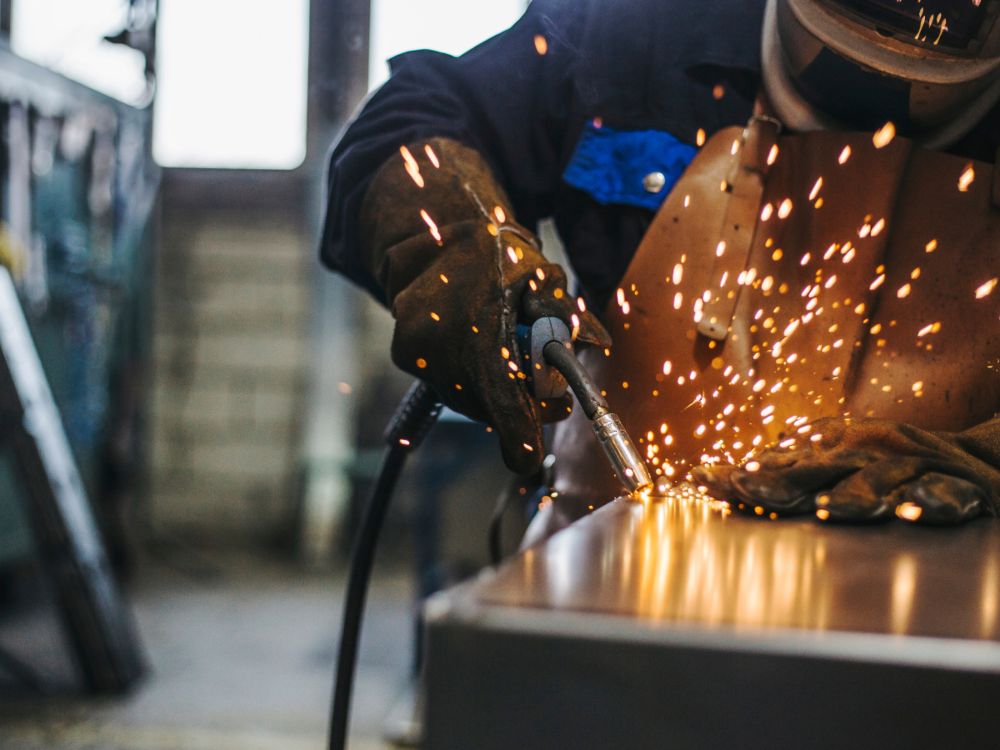
On field welds and heavy sections, control fume by bringing portable extraction to the joint and planning for wind, access, and coated steel before the welders arrive. This post is for fabrication managers and field supervisors who weld girders, bridge segments, and utility structures in the shop and on site, where building a booth around the work is not an option. 

It covers what changes outdoors, the U.S. standard that applies, and how to place equipment on a large structure. For the equipment side, see KEMPER’s fume extraction solutions for infrastructure and civil engineering fabrication. 

Why Is Welding Ventilation Different for Infrastructure Fabrication? 

The work does not come to the welder. A girder, pier segment, or pipe spool stays where it sits, and the welder moves along it. Heavy sections often need multiple passes on thick joints, and one welder may stay at a single joint for long stretches. Fixed hoods and booths suit parts that move. They do not reach a splice on an elevated platform. 

Outdoors changes the picture too. OSHA’s fume fact sheet says welding outdoors or in open spaces does not guarantee adequate ventilation, and it tells welders to stay upwind of the fume. Wind can carry fume away from the welder. It can also push the plume off a capture nozzle. 

Which OSHA Standard Covers Shop Work and Field Work? 

In the United States, OSHA splits welding ventilation by sector. 29 CFR 1910.252(c) covers general industry, including most fabrication shops, and 29 CFR 1926.353 covers construction work. A bridge segment built in the shop and then erected in the field can fall under both. Confirm the standard for each location with your safety professional. 

Neither one assumes a booth. Under 1926.353, employers can use general mechanical ventilation, local exhaust, or both, and local exhaust uses movable hoods placed close to the work. 

Coatings need a question before the first arc. Under 1926.353(c): 

  1. Lead coatings and cadmium-bearing materials call for ventilation or airline respirators. 
  1. Open-air work with those materials requires filter-type respirators, with airline respirators for beryllium. 

Ask what is on existing steel before you cut or weld it. 

In Canada, provincial and territorial regulators set the rules, and CCOHS points to CSA W117.2 and ANSI Z49.1 for ventilation guidance. 

How Do You Place Portable Extraction on a Large Structure? 

Plan the unit’s position one joint at a time. Before each move, ask where the welders will stand, how far the hose or arm reaches from the unit to the joint, and how the unit gets there. A cart that rolls across the shop floor may need to be lifted or carried on site, so check the route as well as the reach. 

KEMPER offers three options that fit this work: 

  1. Mobile filter units are designed to be moved as work locations change. 
  1. High-vacuum extraction uses nozzle or torch-integrated setups that put the capture point at the joint. 
  1. A central extraction system can serve a fabrication bay with several stations, while portable units cover one-off assemblies. 

Because KEMPER sells all three, read that in context: no unit replaces testing on coated steel. 

What Should Field Supervisors Check Before the Crew Arrives? 

Ask four questions at the job briefing: 

  1. What is on the steel? 
  1. How does the wind run at the joint? 
  1. Where does power come from? 
  1. Who else works below or beside the weld? 

Write the answers into the job hazard analysis so the crew sees them. 

If you are a fabrication manager or field supervisor planning around a large assembly, send KEMPER North America a photo or drawing that shows the joints your welders reach. The team can help from design through installation. 
Categories
Uncategorized

Air Quality Strategies for Research, Prototyping, & High-Tech Manufacturing

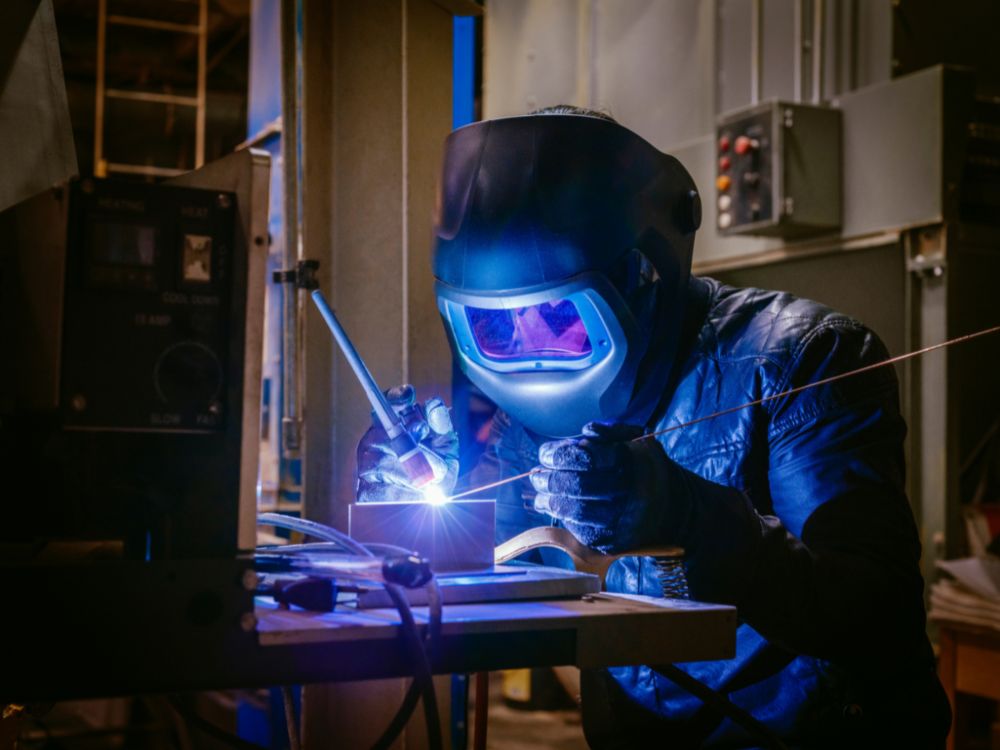
In a research or prototype shop, air quality starts with an alloy check before each new job and a capture point that stays close to the arc without disturbing the shielding gas. This post is for lab managers, engineers, and EHS leads who weld small batches and one-off parts, often with TIG, in materials that change from one project to the next. 

It covers changeover, capture, and how extraction fits with cleanliness. For the equipment side, see KEMPER’s fume extraction solutions for research, prototyping, and high-tech manufacturing. 

Why Does the Alloy Matter More Than the Volume? 

Small batches make little fume compared with a production line, but the fume can carry more risk per weld. OSHA’s fume fact sheet says fume output depends on the welding process, the base and filler metals, and the rod composition. 

CCOHS lists where the main hazards come from: 

  1. Nickel: stainless steel, Inconel, Monel, and Hastelloy. 
  1. Chromium: most stainless and high-alloy materials. It converts to hexavalent chromium during welding. 
  1. Beryllium: a hardening agent in some copper, magnesium, and aluminum alloys. CCOHS identifies it as a carcinogen. 

In the United States, 29 CFR 1910.252(c)(8) calls for local exhaust and airline respirators on beryllium work unless worst-case atmospheric tests show exposure within the limits. 

OSHA regulates hexavalent chromium under its own standard, 29 CFR 1910.1026. For the health effects behind these metals, see Health Risks of Welding Fumes. 

How Do You Build an Alloy Changeover Routine? 

Before each new material, run this routine: 

  1. Read the safety data sheet for the base metal, the filler, and any cleaning solvent. 
  1. Write the alloy, the process, and the capture setup in a bench log. 
  1. Send any alloy with a specific rule, such as beryllium, lead, or cadmium, to your EHS lead before the first arc. 

CCOHS recommends risk assessments and occupational hygiene air sampling to identify exposures. A particle monitor can show when dust rises, but it cannot tell you which metals are in the air. When an alloy raises a question, ask a qualified person to sample. 

How Close Can the Capture Point Sit on TIG Work? 

Close enough to take the plume and far enough to leave the shield alone. Neither OSHA nor CCOHS names a distance specific to TIG, and OSHA says only to keep nozzles close to the plume source. 

ANSI Z49.1 gives about 100 feet per minute at the work zone as a recommended ceiling for avoiding a disturbed arc. It also states that the figure says nothing about whether contaminant control is adequate. 

So, find your distance on scrap: 

  1. Weld a test coupon with the extractor running at the planned setup. 
  1. Check the bead for porosity. 
  1. Move the nozzle in or out and repeat. 
  1. Log the distance that works for that alloy and joint. 

KEMPER’s high-vacuum extraction category lists torch-integrated, slot, and funnel nozzle setups. Those give you different ways to place the capture point. 

Does Fume Extraction Help Keep the Work Clean? 

It helps with one source of contamination, not all of them. Capturing fume near the arc leaves less of it in the room air to settle on benches, instruments, and parts. KEMPER’s pages for research and aerospace work describe extraction as a way to protect sensitive components from contamination. 

A filter unit does not clean parts, manage shielding gas, or turn a shop into a controlled environment. If a process has a cleanliness requirement, ask your quality team what it demands and test the extraction setup against it. 

If you manage a lab or prototype shop that welds mixed alloys, write down the alloys and processes you run most. Then talk to KEMPER about which high-vacuum setup fits them. 

Categories
Uncategorized

Welding Fume Extraction for Educational & Trade Training Facilities

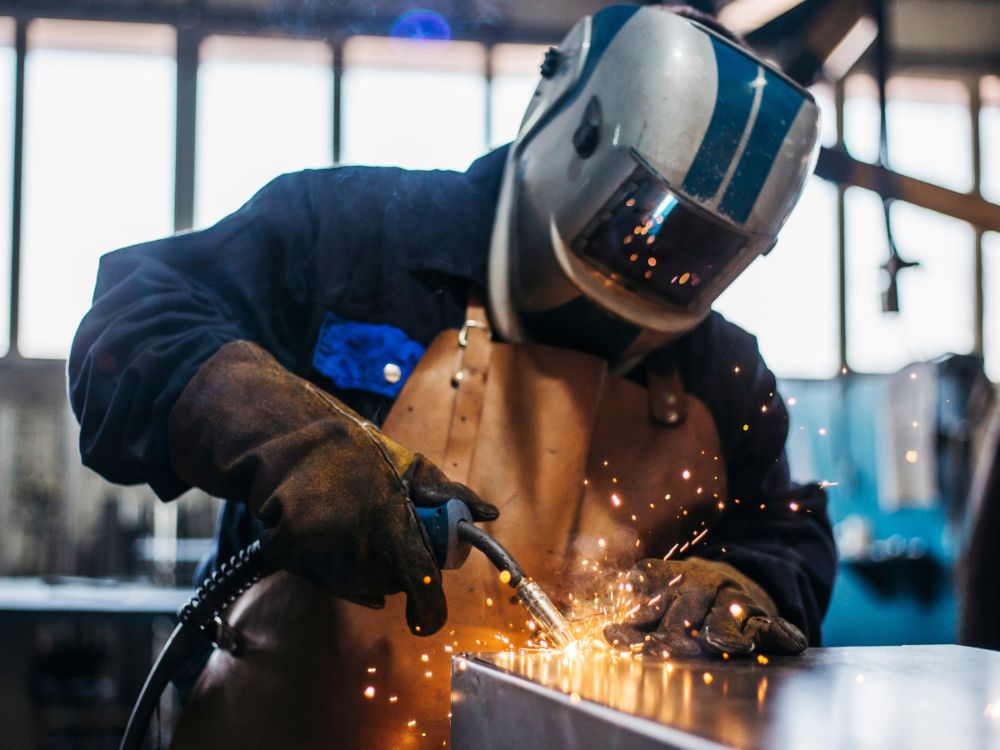
Size welding fume extraction for a training lab by the number of stations running at once and the layout of the room, not by enrollment. This post is for program directors, facilities managers, and instructors who are planning a new welding lab or fixing an old one, where one instructor supervises many students at the same time. 

It covers booth design, room airflow, and a phased way to build out. For the equipment itself, see KEMPER’s fume extraction solutions for educational and training institutions. 

How Do You Size Welding Fume Extraction for a Training Lab? 

Count stations, not students. Say a lab enrolls 24 students but has eight booths. At most eight arcs run at once, and each one is a separate plume that needs its own capture point. 

Then check the busiest hour. Open lab time, make-up sessions, and demonstrations can put every booth to work together. Give your supplier the station count, the busiest schedule, and the processes students run. KEMPER describes its central extraction systems as connecting multiple workstations to one filtration unit, and the supplier should confirm sizing for your layout. 

What Should Welding Booths and Screens Look Like? 

OSHA’s general industry welding standard, 29 CFR 1910.252(c), sets two layout details worth checking in a lab: 

  1. Screens around welding areas should not seriously restrict airflow. OSHA suggests mounting them about two feet above the floor. 
  1. When a fixed booth serves as the local exhaust, it needs a top and at least two sides. It must keep 100 linear feet per minute of airflow away from the welder. 

ANSI Z49.1, the American Welding Society safety standard, names educators and students in its definitions. It says to separate stations with noncombustible screens where operations permit, and its notes say screens should let air circulate at floor level as well as above. 

Instructors also need to see the arc and the student’s hands. Build a mock booth and test sight lines before you commit to walls. 

Where Do Room Airflow and HVAC Fit in a Welding Lab? 

Drafts cause problems of their own. Z49.1 recommends that ventilation not produce more than about 100 feet per minute at the work zone, to avoid disturbing the arc or flame. The standard adds that this number is for quality control and does not show that contaminant control is adequate for health. 

Both halves matter. A supply vent aimed at a booth can disturb a student’s arc, while a calm room with no capture at the arc still leaves fume in the air. Walk the lab with your HVAC contractor and check where each supply diffuser sits relative to each booth. 

How Do You Plan for the Instructor and Demonstrations? 

An instructor can spend the whole day in a room that each student uses for one class block, and the instructor stands near every booth in turn. Plan a demonstration station where the group gathers, with its own capture point. That way a demo does not depend on whichever booth is free. KEMPER lists mobile filter units for changing layouts, demonstrations, and temporary setups. 

How Do You Phase a Lab Upgrade on a Budget? 

Cover the busiest stations first and choose a layout that lets you add capacity later. For a single booth, Welding Table Setup Best Practices for Fume Control covers the details. 

Which rules apply to a school depends on its jurisdiction, so check with your institution’s safety office. In Canada, the provinces and territories set occupational health and safety rules, and CCOHS publishes welding ventilation guidance. 

If you are a program director, facilities manager, or instructor with a lab to plan, mark the booth positions on your floor plan and share it with our team at KEMPER. The team can talk through how extraction would reach each station. 

Categories
Uncategorized

Fume Control Challenges in Industrial Maintenance & Repair

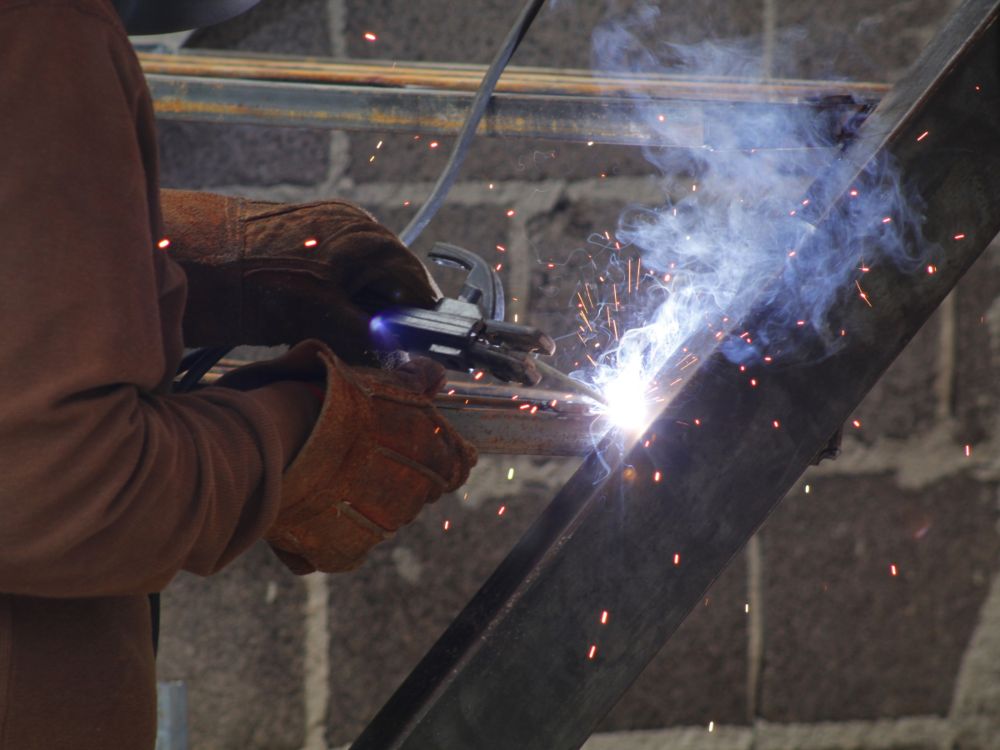
Fume control for maintenance and repair welding works when you plan it before the crew leaves the shop: the capture point, the hose or arm reach, and any confined-space steps. This guide is for maintenance leads and EHS managers whose welders move between bays, plants, and temporary jobs, where a fixed ventilation system never reaches the joint. 

It covers what changes with each move, and a pre-job check that takes a few minutes. For the equipment side, see KEMPER’s fume extraction solutions for industrial maintenance, repair, and refurbishment. 

What Makes Maintenance and Repair Welding Hard to Control? 

The production station repeats. A repair job does not. On Monday the weld is on a pump base under a mezzanine. On Thursday, it is a conveyor frame that production needs back by the next shift. The metal, the coating, the position, and the people nearby all change with the job, and a new location often has no ventilation plan written for it. 

Picture an extractor riding along on the truck while its hose stops two feet short of the joint, so the welder starts without it. A pre-job plan catches that before the arc starts. 

What Should a Pre-Job Fume Control Check Include? 

Five questions cover most repair jobs. Run through them at the job briefing, not at the machine. 

  1. What is the metal, and what is on it? Check the safety data sheet or ask the equipment owner about paint and plating. OSHA names zinc oxide from galvanized steel as the usual cause of metal fume fever, and 29 CFR 1910.252(c) sets added requirements for materials such as lead and cadmium. 
  1. Where will the plume go, and who is standing in it? Shutdown areas are crowded. OSHA’s fume fact sheet says to keep exhaust ports away from other workers. 
  1. Can the capture point sit close to the arc? The same fact sheet says to keep hoods, extractor guns, and vacuum nozzles close to the plume source. Measure the reach from the unit to the joint before you park the unit. 
  1. How does the unit get to the joint, and where does it plug in? A unit that cannot reach the outlet or the work stays on the truck. 
  1. Is it a confined space? If yes, use the next section before anything else. 

How Does Confined-Space Repair Welding Change the Plan? 

A fume extractor controls welding fume at the source. It does not make a tank, vessel, or pit safe to enter. Because KEMPER sells extraction equipment, that distinction is worth stating plainly. 

In the United States, OSHA’s permit-required confined space standard, 29 CFR 1910.146, sets the baseline. It calls for: 

  1. Atmospheric testing before entry. 
  1. An attendant stationed outside the space. 
  1. An entry permit that lists any hot work permit issued for the space. 

Continuous forced-air ventilation can serve as an alternate procedure only when atmospheric hazards are the sole hazard, and ventilation alone keeps the space safe. 

Welding adds its own risk. OSHA’s fact sheet notes that inert shielding gases such as argon can displace oxygen, and CCOHS lists argon among the simple asphyxiants. Under 1910.252(c)(4), welders need airline respirators or hose masks when adequate ventilation is impossible. 

In Canada, OSHA does not apply. CCOHS states that every federal, provincial, and territorial jurisdiction has its own confined space regulations, and it advises reviewing the ones that cover your workplace before building a program. Extraction is one layer inside the entry plan that your competent person writes. 

Which Portable Extraction Fits Repair Crews? 

Match the unit to how the crew works: 

  1. Mobile filter units are designed to be moved as work locations change. The category runs from occasional to permanent use, depending on the model. 
  1. High-vacuum extraction suits tight or detailed spots, with nozzle or torch-integrated setups that sit close to the joint. 

If you run repair welding across several areas or sites, start with a short list: the three spots your welders visit most. Send that list to KEMPER and talk through which setup would reach each one.