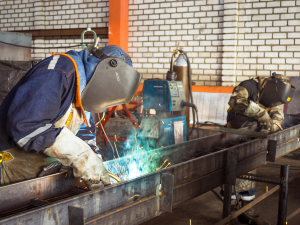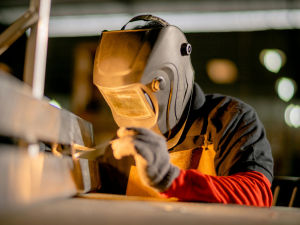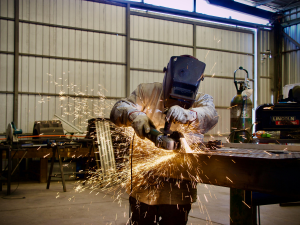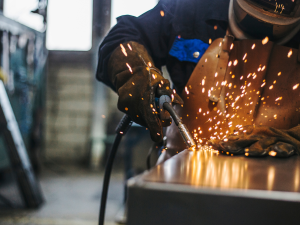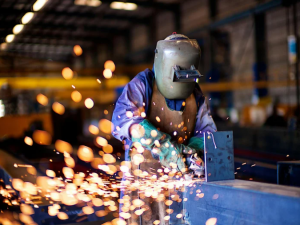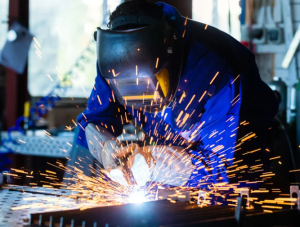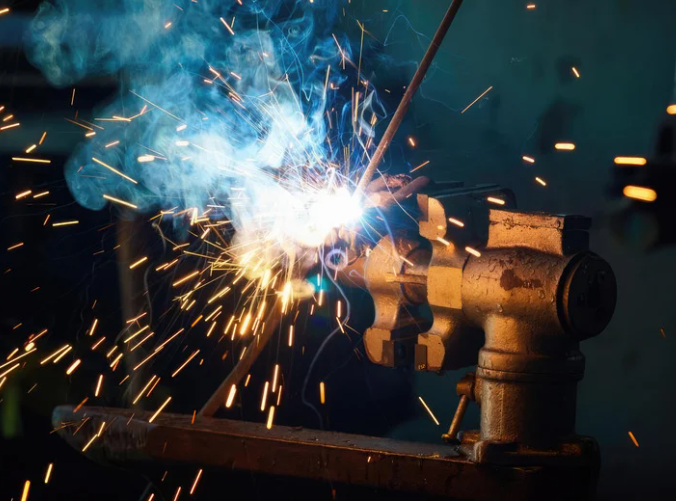
Welding fumes are generated during many common fabrication and manufacturing processes. While they may not always be visible, these fine airborne particles and gases can affect workplace air quality and increase worker exposure if they are not effectively controlled.
The health risks associated with welding fumes depend on several factors, including the welding process, the materials being welded, the work environment, and the duration of exposure. Understanding these risks is the first step toward creating a safer workplace.
Short-Term Effects of Welding Fume Exposure
Even brief exposure to welding fumes can cause temporary irritation, particularly in facilities with poor ventilation or inadequate air filtration.
Some workers may experience:
- Eye, nose, or throat irritation
- Coughing or throat discomfort
- Headaches
- Dizziness
- Temporary breathing discomfort
Although these symptoms are often short-lived, they can reduce worker comfort, affect concentration, and impact productivity throughout the workday.
Long-Term Effects of Repeated Welding Fume Exposure
Repeated exposure to welding fumes over months or years may increase health risks, especially in workplaces where airborne contaminants are not effectively managed. The level of risk depends on the type of materials being welded, the frequency and duration of exposure, and the effectiveness of workplace ventilation.
Because welding fumes can contain different metal oxides, gases, and fine particulate, organizations should evaluate their welding processes and implement appropriate engineering controls to reduce airborne contaminants. Capturing fumes before they spread throughout the facility helps support healthier working environments over the long term.
What Factors Affect Welding Fume Exposure?
Not every welding application produces the same amount or type of airborne contaminants. Several factors influence both the composition of welding fumes and the level of worker exposure, including:
- The welding process being used, such as MIG, TIG, stick, or flux-cored arc welding
- The type of base metal and filler material
- Surface coatings, paints, or galvanization on the material
- The size and airflow of the workspace
- The number of active welding stations
- The effectiveness of the facility’s welding ventilation system
Understanding these variables helps facilities select the most appropriate welding air filtration and fume extraction strategy.
Reducing Exposure with Source Capture
One of the most effective ways to reduce exposure is to capture welding fumes at the source before they disperse into the surrounding environment. Source capture minimizes the amount of airborne particulate that workers may encounter while helping maintain cleaner air throughout the facility.
Depending on the application, organizations may use:
- mobile filter units for maintenance and flexible workstations
- stationary extraction systems for dedicated welding areas
- central extraction systems for facilities with multiple welding stations
- general ventilation systems to improve facility-wide air quality
When combined with good workplace practices, these engineering controls help reduce airborne contaminants before they can circulate throughout the building.
Creating a Healthier Welding Environment
Protecting workers from welding fume exposure starts with understanding the risks and implementing effective air quality solutions. Investing in welding fume extraction systems, industrial ventilation systems, and welding air filtration helps improve indoor air quality, supports workplace safety initiatives, and creates cleaner, more productive facilities.
KEMPER North America offers a complete range of welding fume extraction solutions designed to meet the needs of manufacturing, fabrication, maintenance, and industrial operations. By controlling welding fumes at the source, organizations can help protect both their workforce and their long-term operational performance.