

USA & Canada
Fill out the form below to gain access to the Kemper product catalogue.
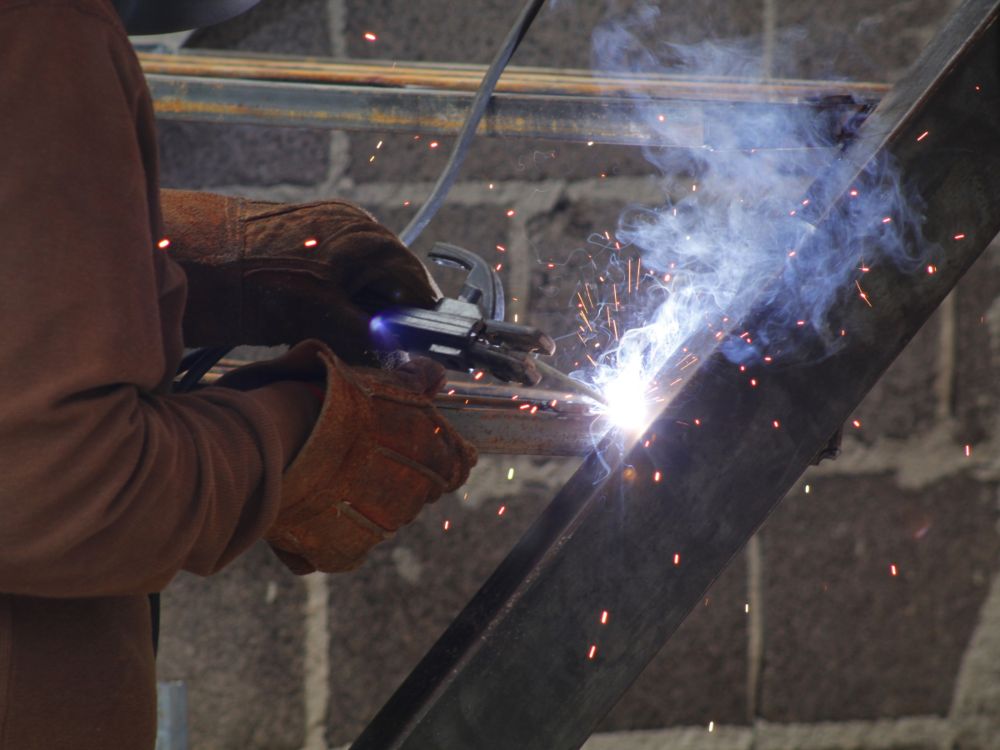
On field welds and heavy sections, control fume by bringing portable extraction to the joint and planning for wind, access, and coated steel before the welders arrive. This post is for fabrication managers and field supervisors who weld girders, bridge…
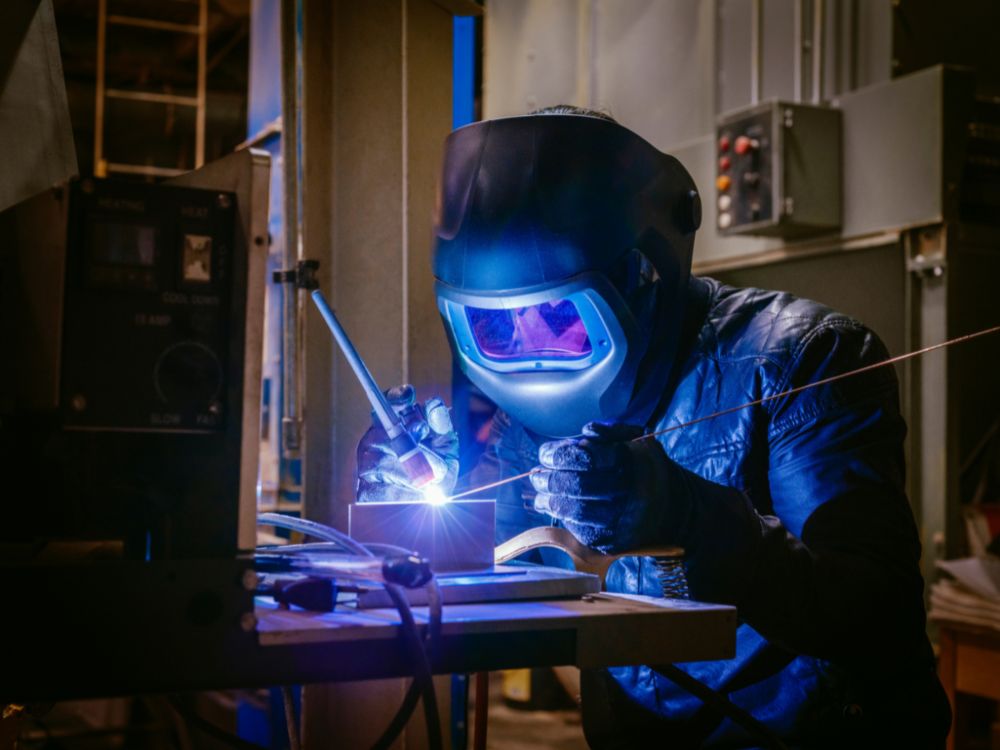
In a research or prototype shop, air quality starts with an alloy check before each new job and a capture point that stays close to the arc without disturbing the shielding gas. This post is for lab managers, engineers, and…
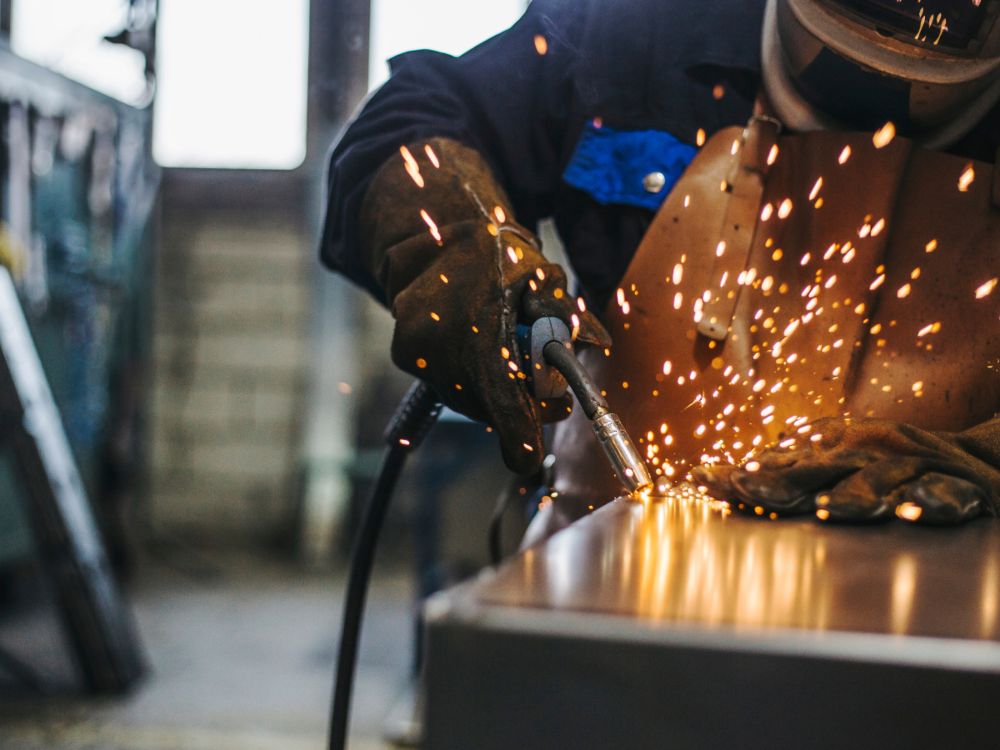
Size welding fume extraction for a training lab by the number of stations running at once and the layout of the room, not by enrollment. This post is for program directors, facilities managers, and instructors who are planning a new…
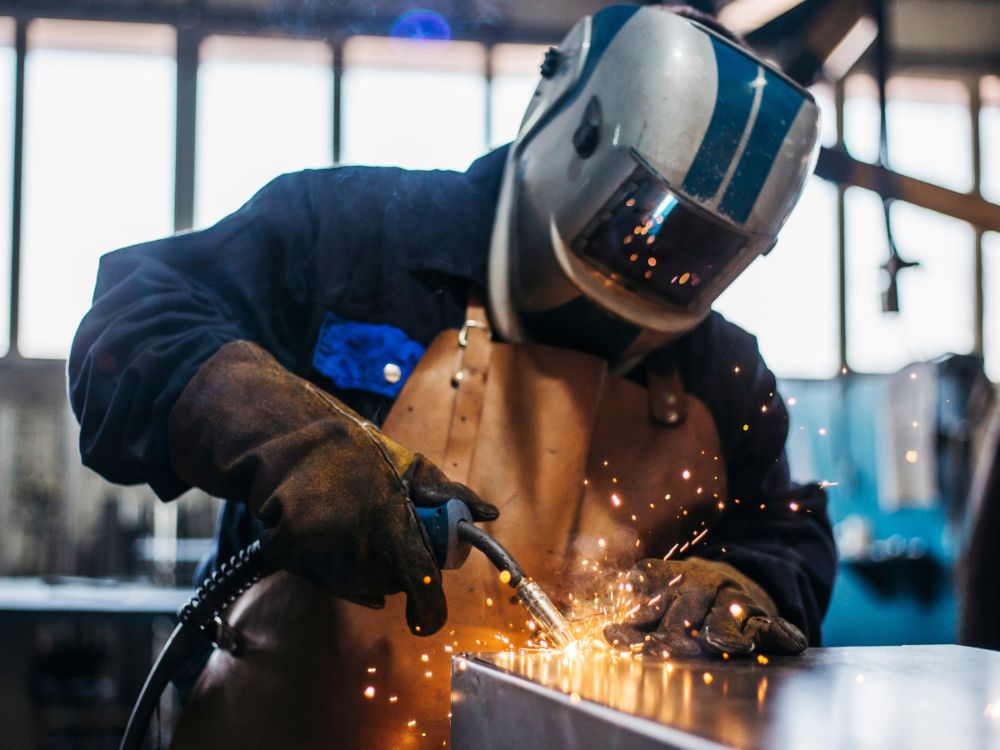
Fume control for maintenance and repair welding works when you plan it before the crew leaves the shop: the capture point, the hose or arm reach, and any confined-space steps. This guide is for maintenance leads and EHS managers whose…
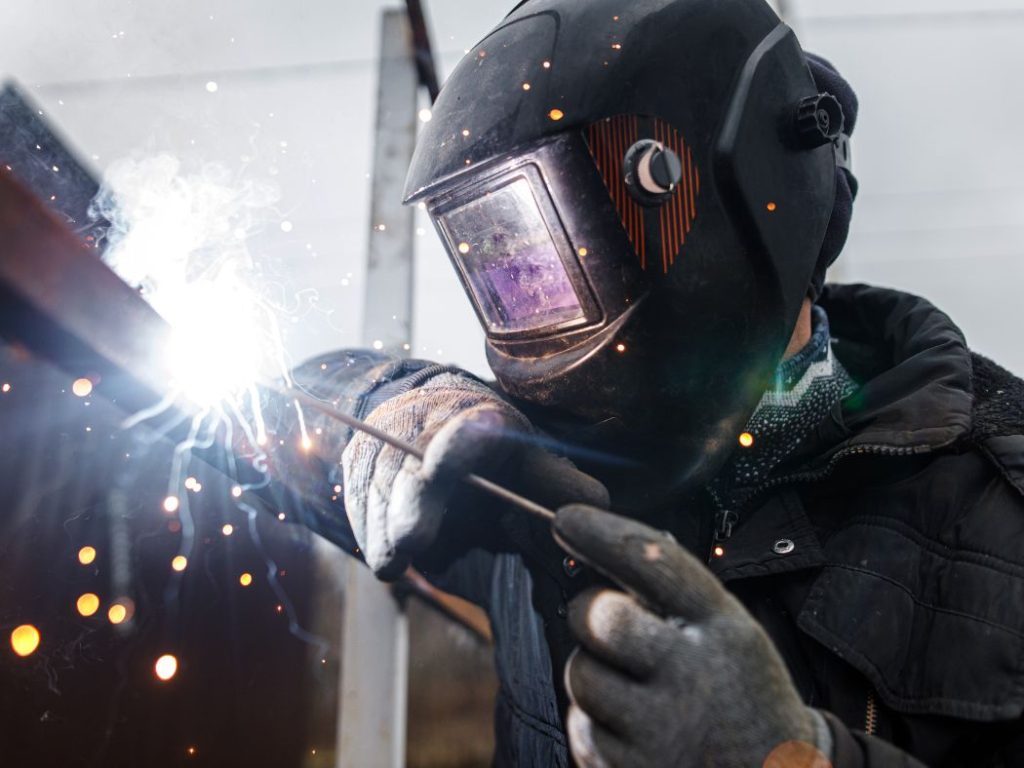
When you weigh respirators vs. ventilation, ventilation comes first: capture fume at the source, then use respirators for what ventilation can’t cover. Ventilation helps protect everyone in the area, while a respirator protects only the person wearing it. If you’re…
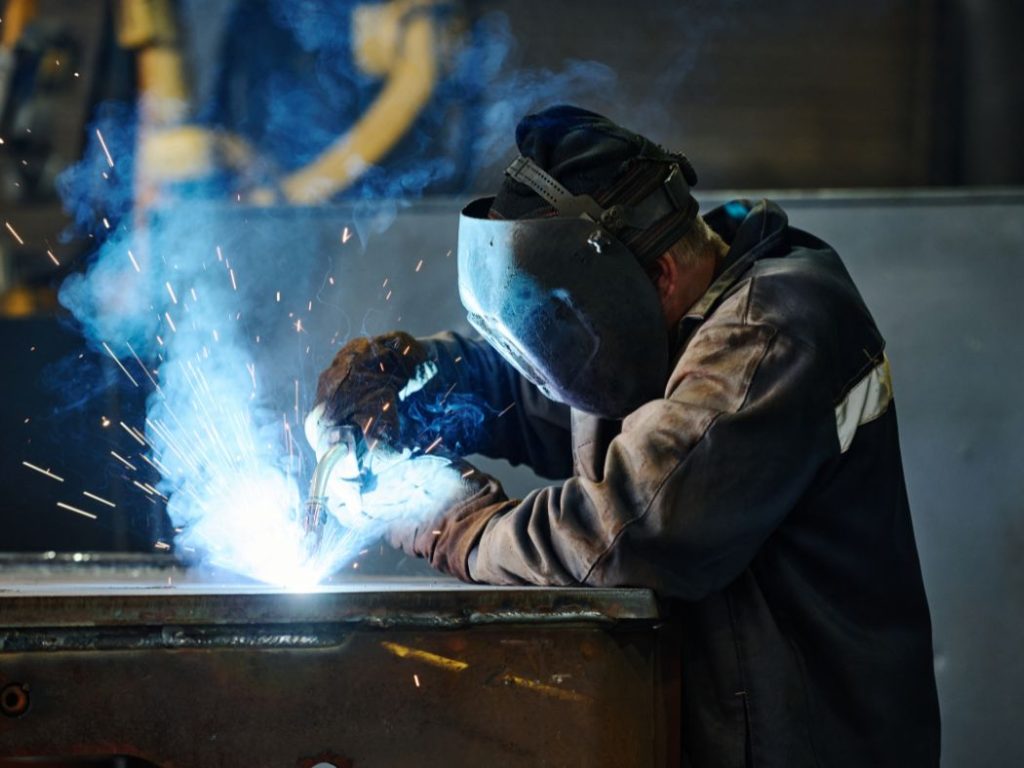
Does air quality impact worker retention and productivity in a welding shop? Probably, but the evidence is firmer for health than for financial return. This post separates what the research shows from what remains informed judgment, and it gives plant…
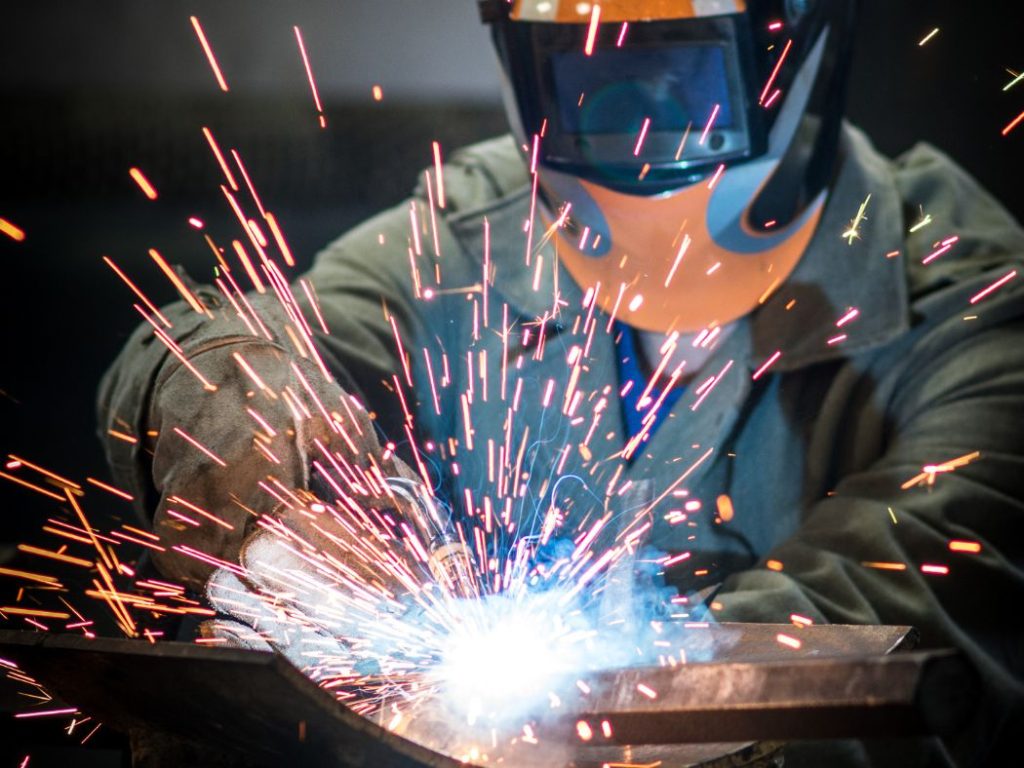
Welders get the most from a welding fume extraction system when they build four habits. They keep the capture point close to the arc, move it with the weld, stay out of the airflow, and check the equipment before every…
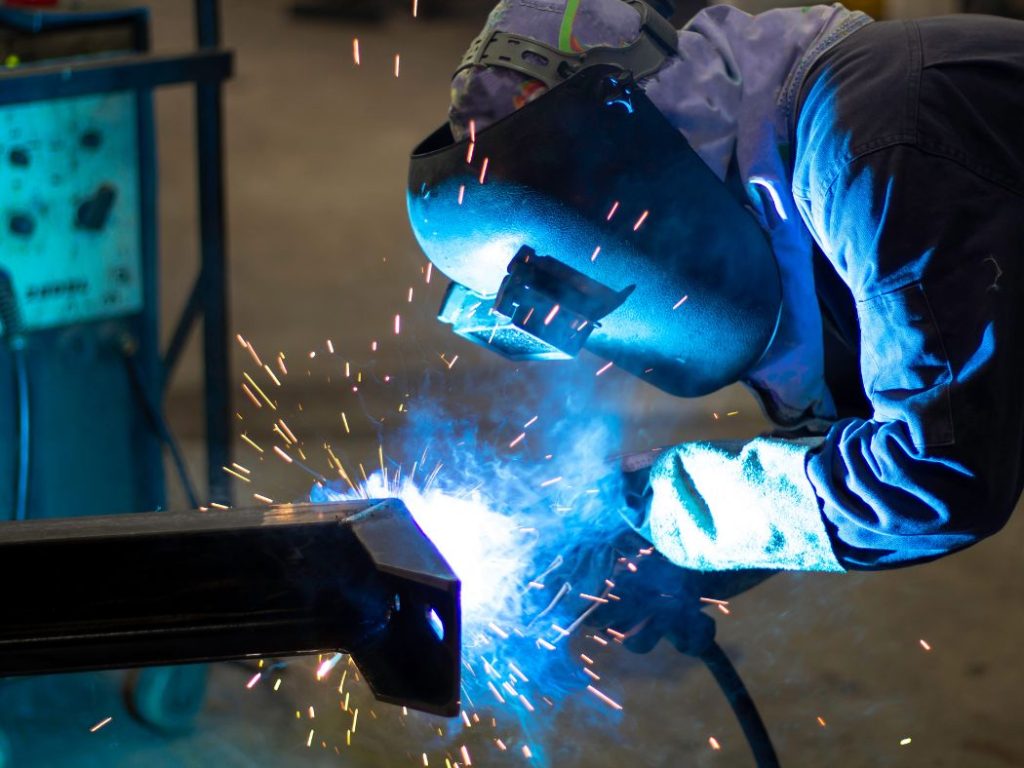
A workplace air quality safety program is a written plan for the fumes, smoke, and dust your shop produces. It records which controls handle each hazard, who checks that they work, and when the plan gets reviewed. If you’re the…
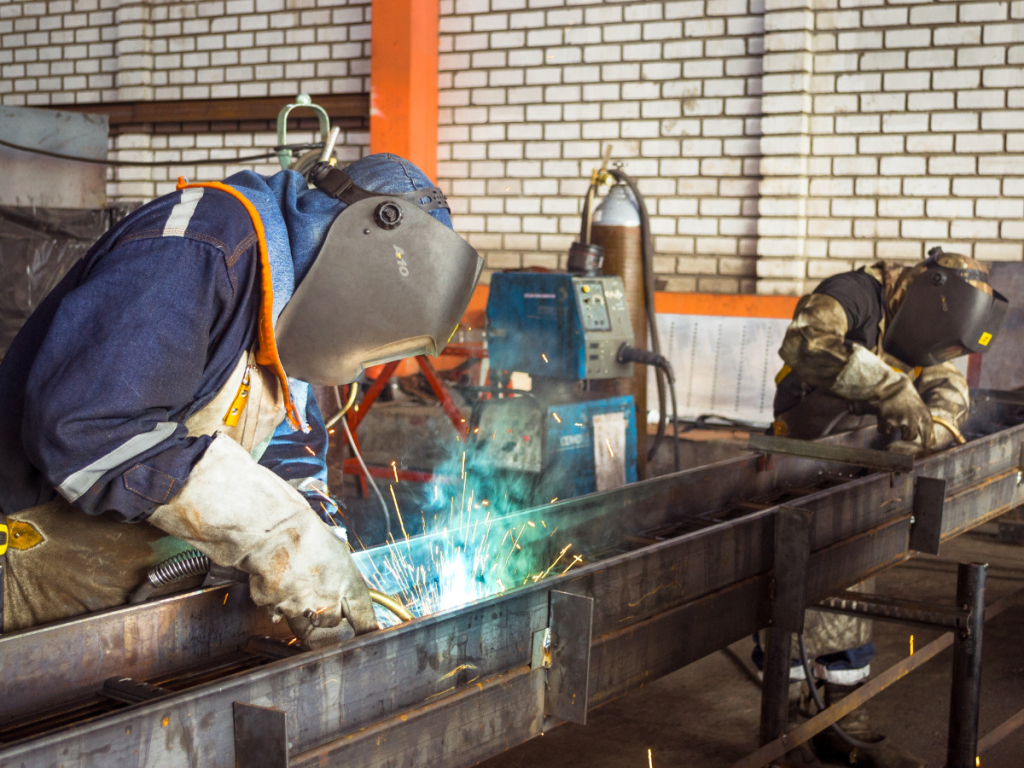
Source capture and ambient ventilation are two different strategies for controlling welding fumes. Confusing the two can lead a facility to invest in the wrong system first. Source capture removes fumes at or near the point where they form: at…
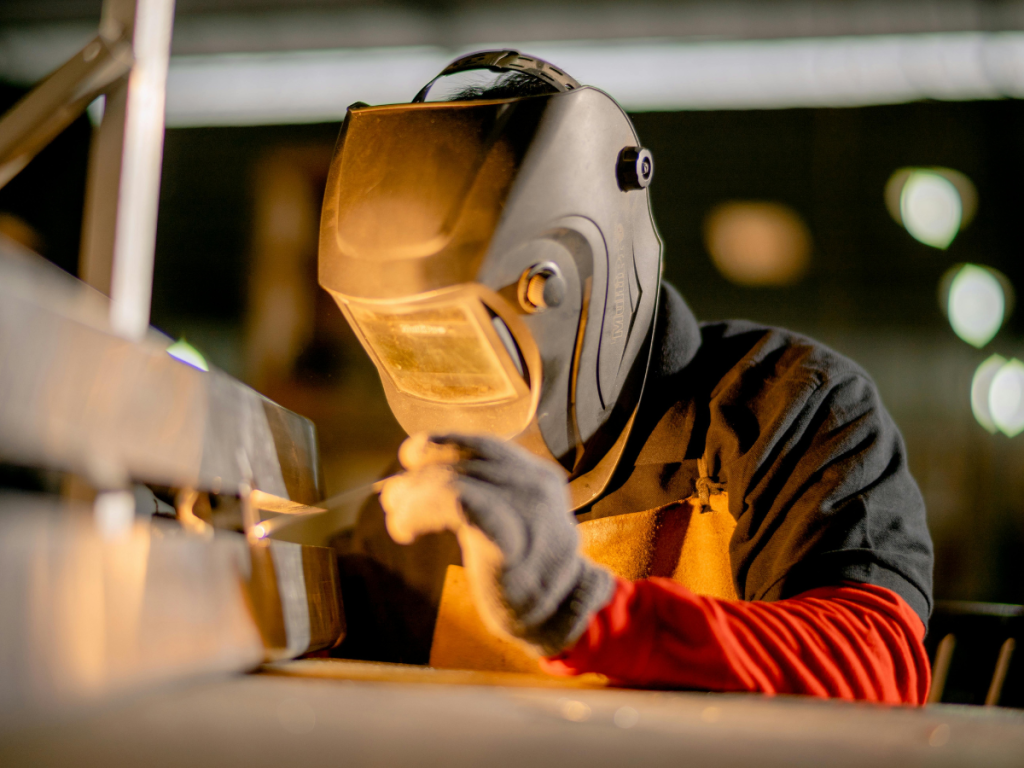
Start with your shop, not the equipment. A single welder at one bench has different air-quality needs than a fabrication floor with several stations. A system that works well in one shop may not fit another. KEMPER North America groups its welding…
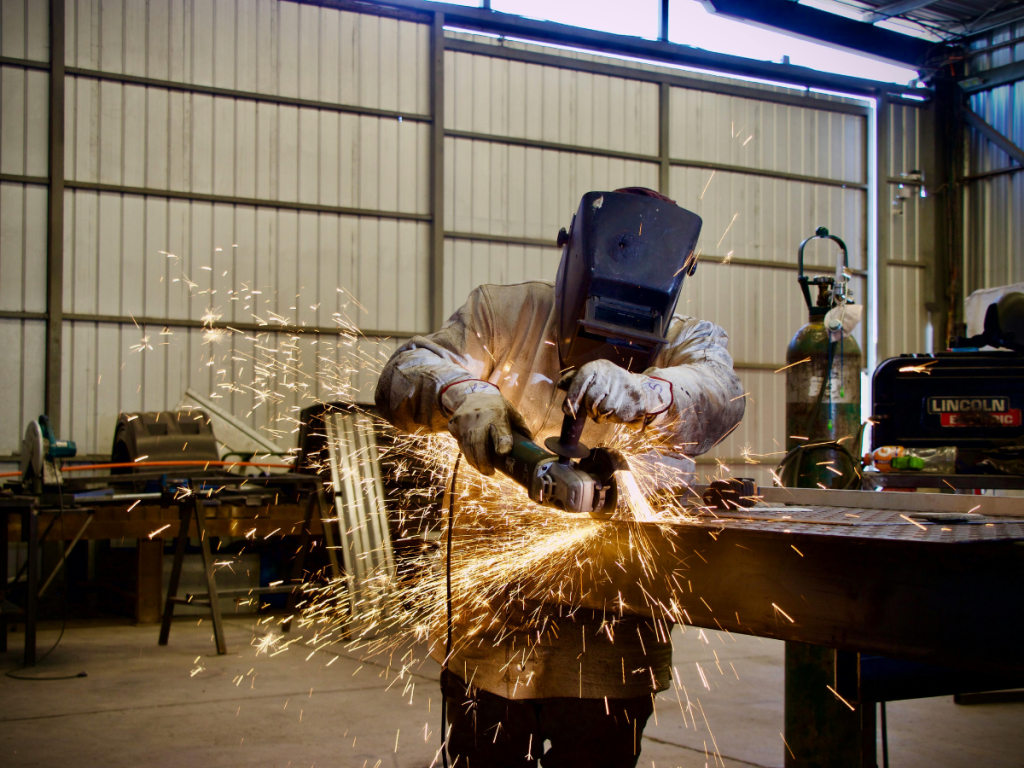
A welding table puts the work directly in front of a welder. This also means fumes rise close to the welder’s breathing zone. You might be setting up a single bench in a small shop, a table in a training…
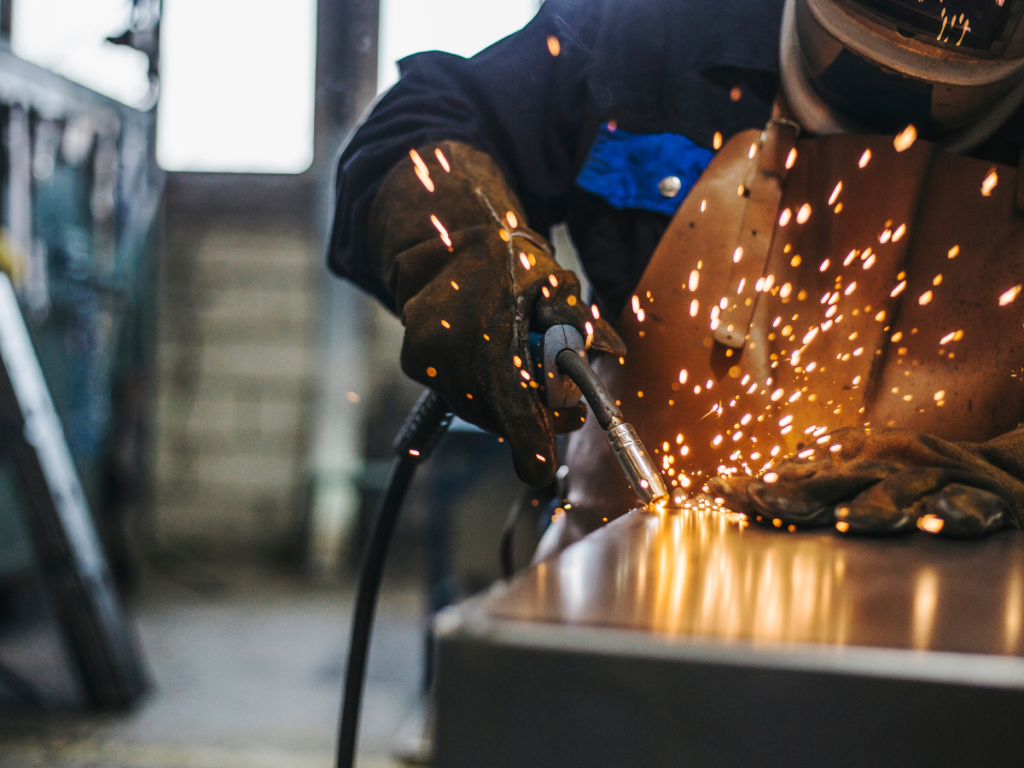
Installation depends on the type of unit. You can often set up a portable mobile filter unit and have it running in a short time. A central extraction system that serves several workstations needs more planning. This includes ducting, electrical…
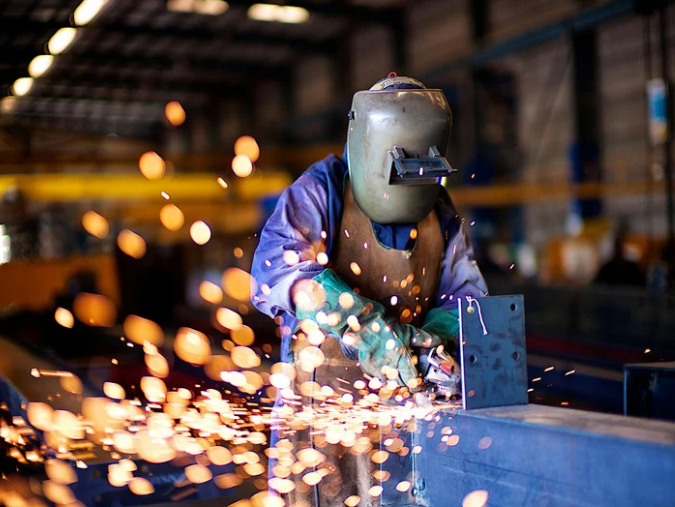
Managing workplace hazards requires more than reacting to problems as they arise. Many manufacturers use the Hierarchy of Controls, a widely recognized occupational health and safety framework, to reduce risks before workers are exposed. For welding operations, the Hierarchy of…
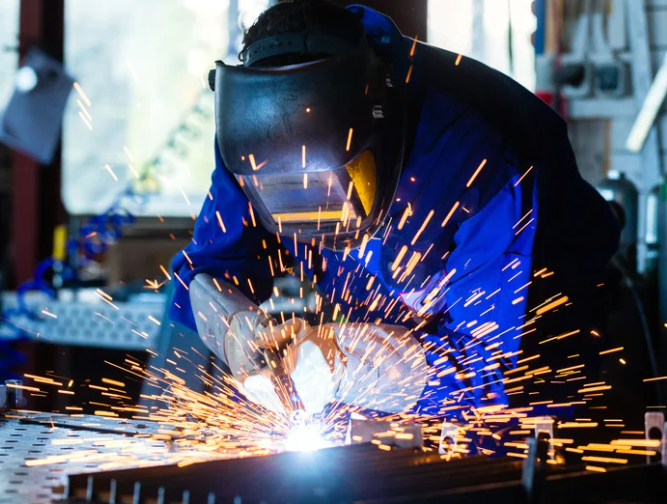
Creating a safe welding environment involves more than personal protective equipment. Employers must also understand how welding fumes can affect workers and implement measures to reduce exposure to airborne contaminants. Whether you’re reviewing your current safety program or evaluating welding…
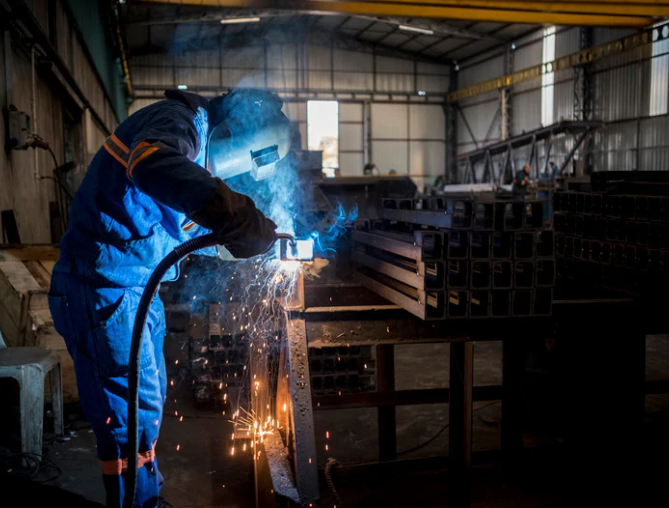
When people think about welding fumes, worker health is often the first concern. While protecting employees is essential, welding fume particles can also have a significant impact on productivity, equipment performance, and operating costs. Without effective welding fume extraction systems,…
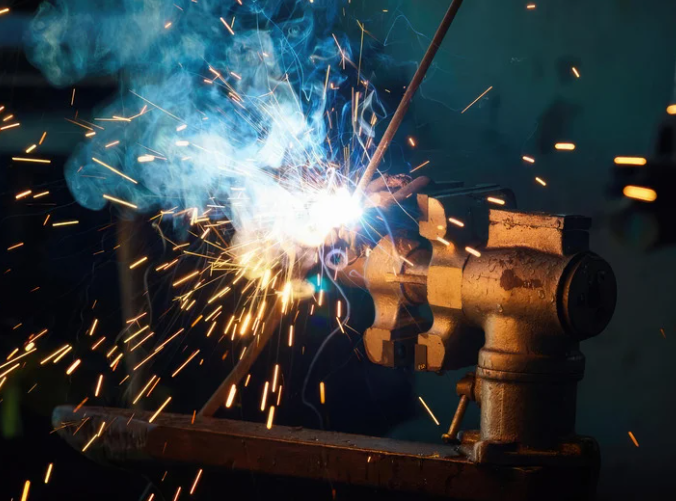
Welding fumes are generated during many common fabrication and manufacturing processes. While they may not always be visible, these fine airborne particles and gases can affect workplace air quality and increase worker exposure if they are not effectively controlled. The…
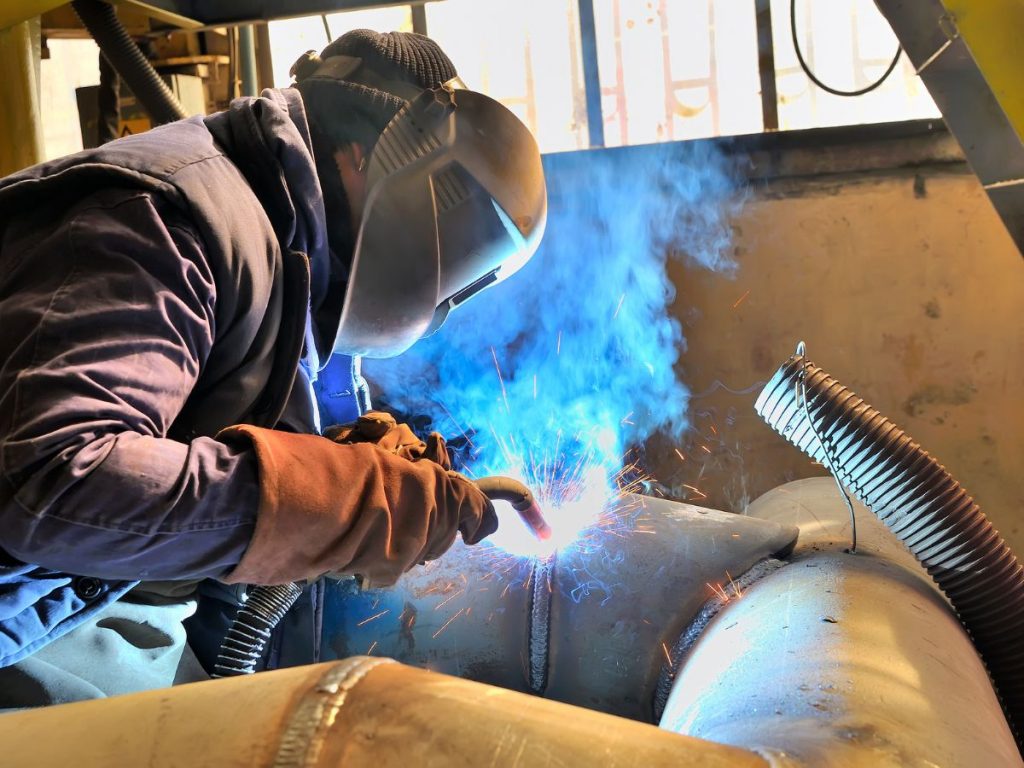
Welding fumes are an unavoidable byproduct of many welding, cutting, and thermal processing applications. Without proper control, these airborne contaminants can spread throughout a facility, impacting air quality, worker comfort, visibility, and overall workplace safety. This is where welding fume…
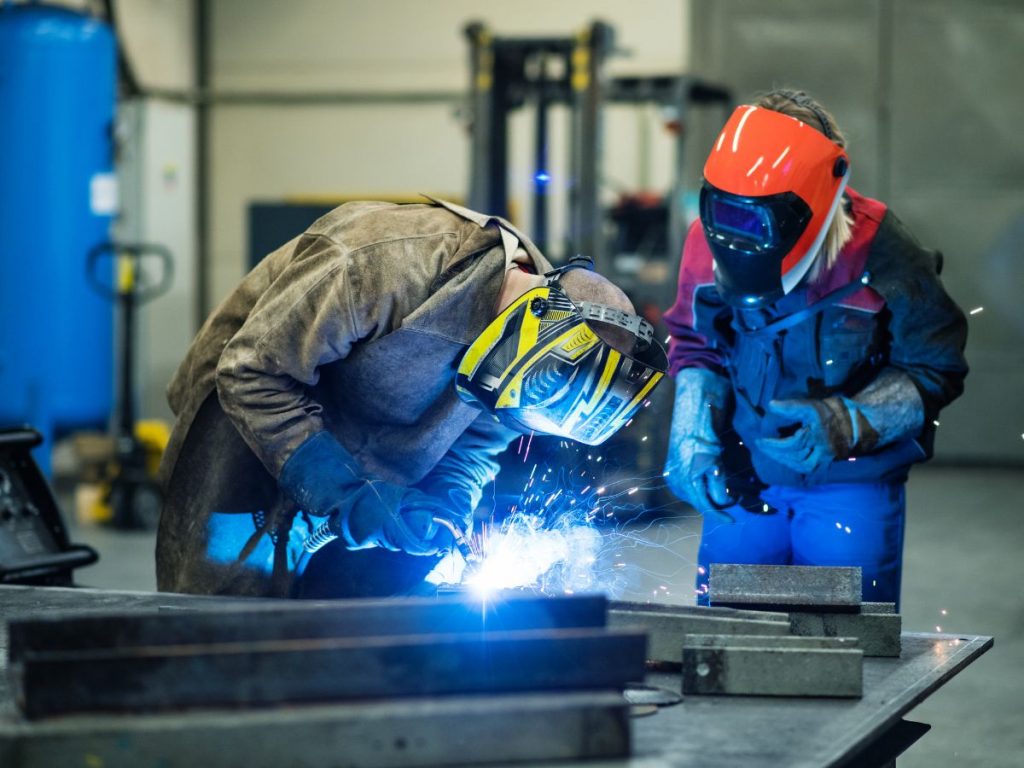
Welding is a critical process in manufacturing, fabrication, construction, maintenance, and repair. However, every welding operation produces welding fumes, which are tiny airborne particles and gases that can affect workplace air quality if not properly controlled. Understanding what welding fumes…
Register today for more information
Sign up for the Kemper newsletter to receive information on product updates, industry insights, and compliance news.
"*" indicates required fields