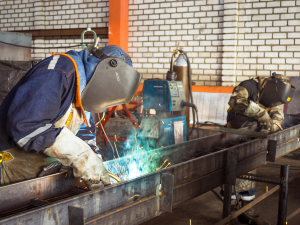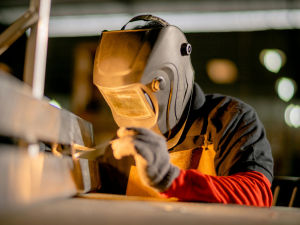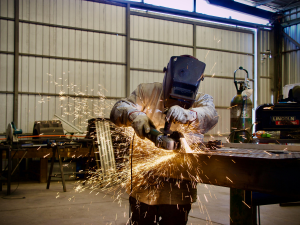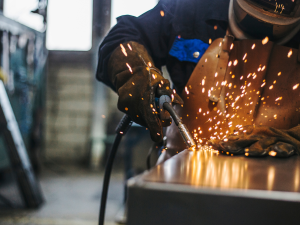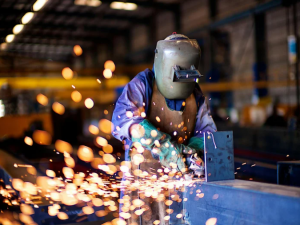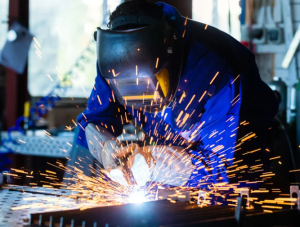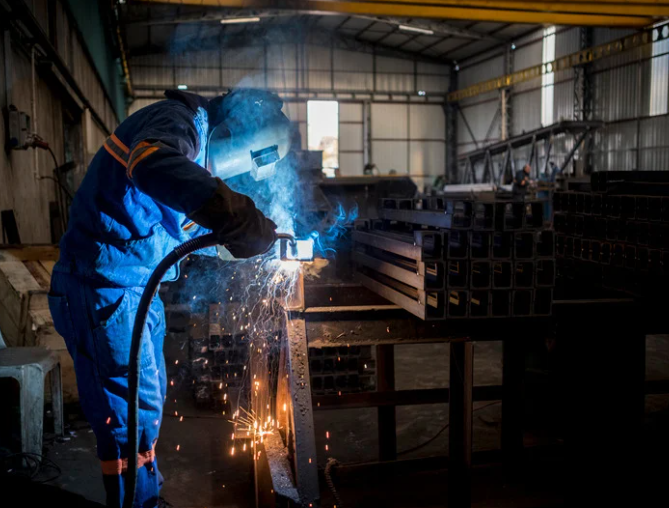
When people think about welding fumes, worker health is often the first concern. While protecting employees is essential, welding fume particles can also have a significant impact on productivity, equipment performance, and operating costs.
Without effective welding fume extraction systems, airborne contaminants can settle throughout a facility, affecting machinery, reducing visibility, increasing maintenance requirements, and disrupting production. Understanding these risks can help manufacturers, fabrication shops, and industrial facilities make informed decisions about workplace air quality.
What Are Welding Fume Particles?
Welding fumes are created when metals are heated during welding, cutting, or other thermal processes. As the metal vapour cools, it forms microscopic solid particles that remain suspended in the air before eventually settling on nearby surfaces.
These particles can travel well beyond the welding station, particularly in facilities without adequate welding ventilation systems or industrial air filtration.
How Welding Fumes Affect Productivity
Poor air quality can create challenges that extend beyond the welding area. As welding fume particles accumulate throughout a facility, they can interfere with day-to-day operations and reduce overall efficiency.
Common productivity impacts include:
- Reduced visibility caused by airborne smoke and particulate
- More frequent cleaning of workstations and production areas
- Increased downtime for equipment maintenance
- Disruptions caused by poor indoor air quality
- Reduced efficiency when contaminants spread between work zones
Even small interruptions can add up over time, resulting in lost production hours and higher operating costs.
The Impact on Equipment and Facility Assets
Airborne particulate doesn’t simply disappear. Over time, welding fumes can settle on equipment, electrical components, control panels, robotics, ventilation systems, and finished products.
This buildup may contribute to:
- Increased wear on machinery
- Dust accumulation on sensitive equipment
- More frequent maintenance and filter replacement
- Reduced efficiency of production equipment
- Additional housekeeping requirements throughout the facility
In automated manufacturing environments, keeping equipment clean is an important part of maintaining consistent production and minimizing unexpected downtime.
Why Source Capture Makes a Difference
The most effective way to manage welding fumes is to capture contaminants before they spread throughout the workspace. This process, known as source capture, removes fumes directly at or near the point of generation.
Depending on the application, facilities may use:
- mobile filter units for flexible workstations
- stationary extraction systems for dedicated welding stations
- central extraction systems for multi-station facilities
- general ventilation systems to improve overall facility air quality
Capturing welding fumes at the source helps prevent particles from circulating through the building and settling on equipment or surrounding work areas.
Improve Air Quality and Protect Your Operations
Investing in a welding fume extraction system is about more than improving workplace safety. Effective welding air filtration and industrial ventilation systems can also help protect valuable equipment, reduce maintenance demands, improve visibility, and support more efficient production.
KEMPER North America offers a complete range of welding fume extraction solutions designed to improve workplace air quality across manufacturing, fabrication, maintenance, and industrial environments.
By controlling welding fumes before they spread, organizations can create cleaner facilities, protect critical equipment, and support long-term operational productivity.