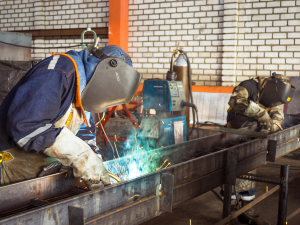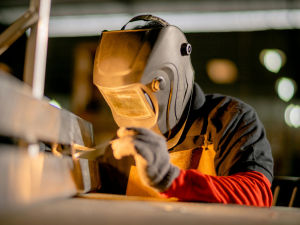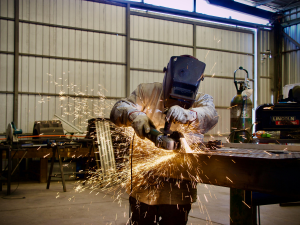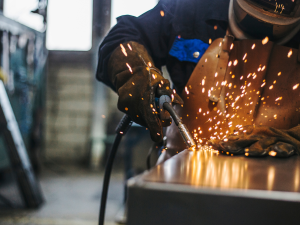
Creating a safe welding environment involves more than personal protective equipment. Employers must also understand how welding fumes can affect workers and implement measures to reduce exposure to airborne contaminants.
Whether you’re reviewing your current safety program or evaluating welding fume extraction solutions, understanding OSHA, ACGIH, and exposure limits can help you make informed decisions about workplace air quality.
What Is OSHA?
The Occupational Safety and Health Administration (OSHA) is the U.S. government agency responsible for establishing and enforcing workplace health and safety regulations. OSHA standards help employers identify hazards, implement protective measures, and create safer working environments.
For welding operations, OSHA regulations address topics such as ventilation, airborne contaminants, personal protective equipment (PPE), and safe work practices.
What Is ACGIH?
The American Conference of Governmental Industrial Hygienists (ACGIH) is an independent scientific organization that develops occupational health guidance. While ACGIH recommendations are not legally enforceable, they are widely used by industrial hygienists and safety professionals to evaluate workplace exposures.
One of ACGIH’s best-known resources is its Threshold Limit Values (TLVs®), which provide guidance for acceptable exposure levels to many airborne substances commonly found in industrial environments.
What Are Exposure Limits?
Exposure limits help determine whether workers may be exposed to airborne contaminants at levels that require additional protective measures.
For welding operations, exposure can vary based on:
- The welding process being used
- The materials and coatings being welded
- The duration and frequency of welding
- The size and ventilation of the workspace
- The effectiveness of air filtration and extraction equipment
Because every facility is different, employers should evaluate workplace conditions and select controls that are appropriate for their specific operations.
Supporting a Safer Welding Environment
A strong welding safety program combines employee training, routine hazard assessments, equipment maintenance, and effective engineering controls. Many facilities also improve workplace air quality by incorporating stationary extraction systems, mobile filter units, or general ventilation systems based on their operational needs.
Regularly reviewing ventilation strategies and workplace procedures helps organizations adapt as production processes, materials, and facility layouts change.
Improving Air Quality with KEMPER
Understanding OSHA regulations, ACGIH guidance, and workplace exposure limits is an important part of protecting employees and maintaining a safe work environment. By combining effective safety practices with the right air quality solutions, facilities can reduce airborne contaminants and support long-term operational performance.
KEMPER North America offers a complete range of welding fume extraction systems designed to improve workplace air quality across manufacturing, fabrication, and industrial applications.