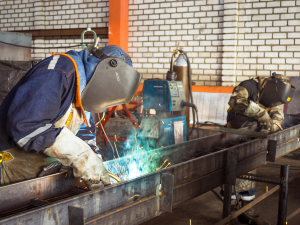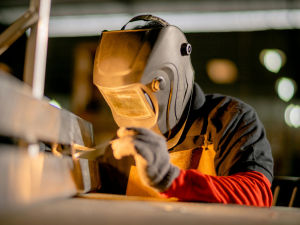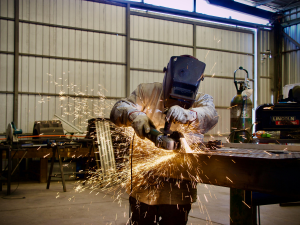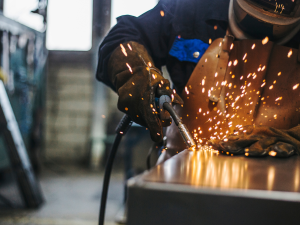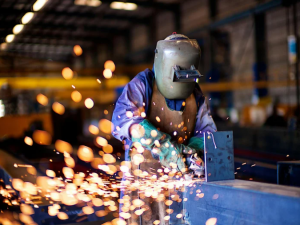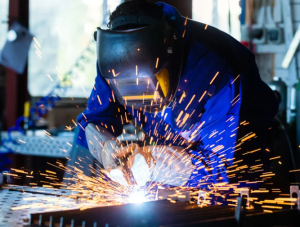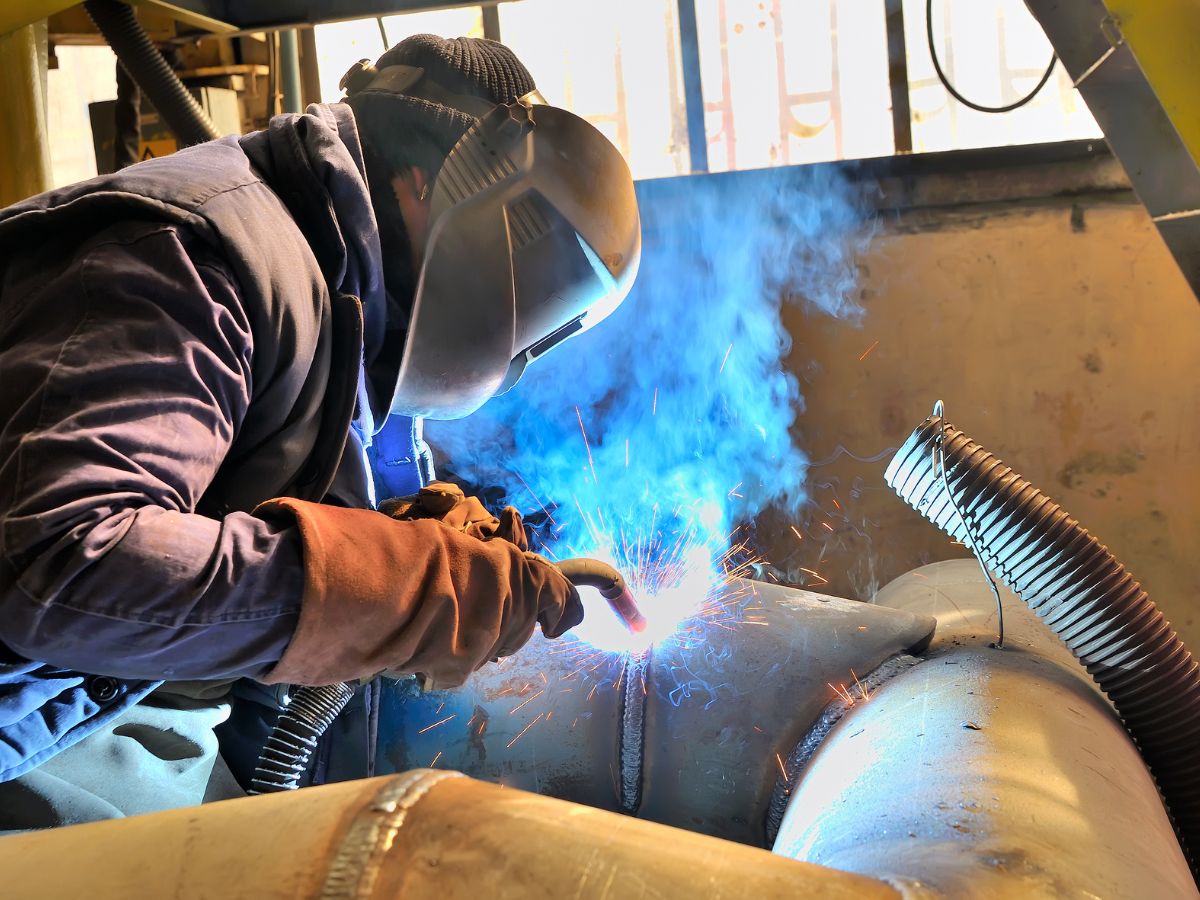
Welding fumes are an unavoidable byproduct of many welding, cutting, and thermal processing applications. Without proper control, these airborne contaminants can spread throughout a facility, impacting air quality, worker comfort, visibility, and overall workplace safety.
This is where welding fume extractors play an important role. By capturing fumes before they disperse into the surrounding environment, welding fume extraction systems help create cleaner and safer workplaces. But how exactly do these systems work?
What Is a Welding Fume Extractor?
A welding fume extractor is a system designed to capture, filter, and remove airborne contaminants generated during welding and related processes. These systems are commonly used in manufacturing facilities, fabrication shops, maintenance environments, educational institutions, and other industrial settings where welding fumes are present.
While designs vary depending on the application, most welding fume extraction systems follow the same basic process: source capture, air movement, filtration, and clean air discharge.
Step 1: Capturing Fumes at the Source
The most effective way to control welding fumes is to capture them as close to the point of generation as possible. This approach, known as source capture, prevents contaminants from spreading throughout the workspace.
Source capture can be achieved through equipment such as:
- Extraction arms
- Exhaust hoods
- Welding torches with integrated extraction
- High-vacuum extraction systems
By removing fumes immediately, facilities can significantly reduce airborne contaminant levels and improve overall workplace air quality.
Step 2: Moving Contaminated Air Through the System
Once fumes are captured, the extraction system uses fans or vacuum technology to move contaminated air through ductwork or filtration units.
The type of air movement depends on the application:
- Mobile filter units are often used for flexible workstations and temporary welding areas.
- Stationary extraction systems provide dedicated extraction for fixed workstations.
- Central extraction systems connect multiple workstations to a single filtration unit for facility-wide air quality management.
The goal is to transport contaminants efficiently without allowing them to escape back into the work environment.
Step 3: Filtration and Particle Separation
After contaminants enter the extraction system, they pass through specialized filtration media designed to remove particulate matter from the airflow.
Modern welding air filtration systems may use multiple filtration stages to capture particles of varying sizes. Depending on the application, filters can remove:
- Welding smoke
- Fine dust particles
- Metal particulate
- Grinding dust
- Other airborne contaminants
Effective filtration helps maintain cleaner air while protecting downstream equipment and system components.
Step 4: Returning Clean Air or Exhausting It Safely
Once contaminants have been removed, the cleaned air can either be returned to the workspace or exhausted outside, depending on the facility’s design and operational requirements.
Many facilities choose to recirculate filtered air to help maintain comfortable working conditions while reducing energy costs associated with heating or cooling replacement air.
The appropriate approach depends on factors such as local regulations, facility layout, and the materials being processed.
Why Welding Fume Extraction Matters
An effective welding fume extraction system does more than improve air quality. Proper extraction can help:
- Reduce airborne contaminants
- Improve visibility throughout the workspace
- Create cleaner production environments
- Support workplace safety initiatives
- Protect equipment from dust accumulation
- Improve overall operational efficiency
Find the Right Extraction Solution for Your Facility
Every welding environment has unique air quality challenges. Factors such as facility size, production volume, workstation layout, and welding processes all influence the type of extraction system required.
KEMPER North America offers a wide range of welding fume extraction solutions designed to capture contaminants at the source and deliver reliable filtration performance across industrial applications.
Understanding how welding fume extractors work is the first step toward creating a cleaner, safer, and more productive workplace.